Exegetical Thesis Analysis – Positioning the researcher
The concept of positioning the self within research is not a new entity, it has been embraced and encouraged for decades. Putting the researcher, oneself, into the research is a way of moving over audience assumption and posisitioning th subject in relation to a true background or personal history. Every human on this Earth has a different story, a different childhood, and different experiences that shape the way we grow up and the things we may research in the future. I am analyzing 3 thesis examples and linking their childhood experiences to the research they perform in an artistic context.
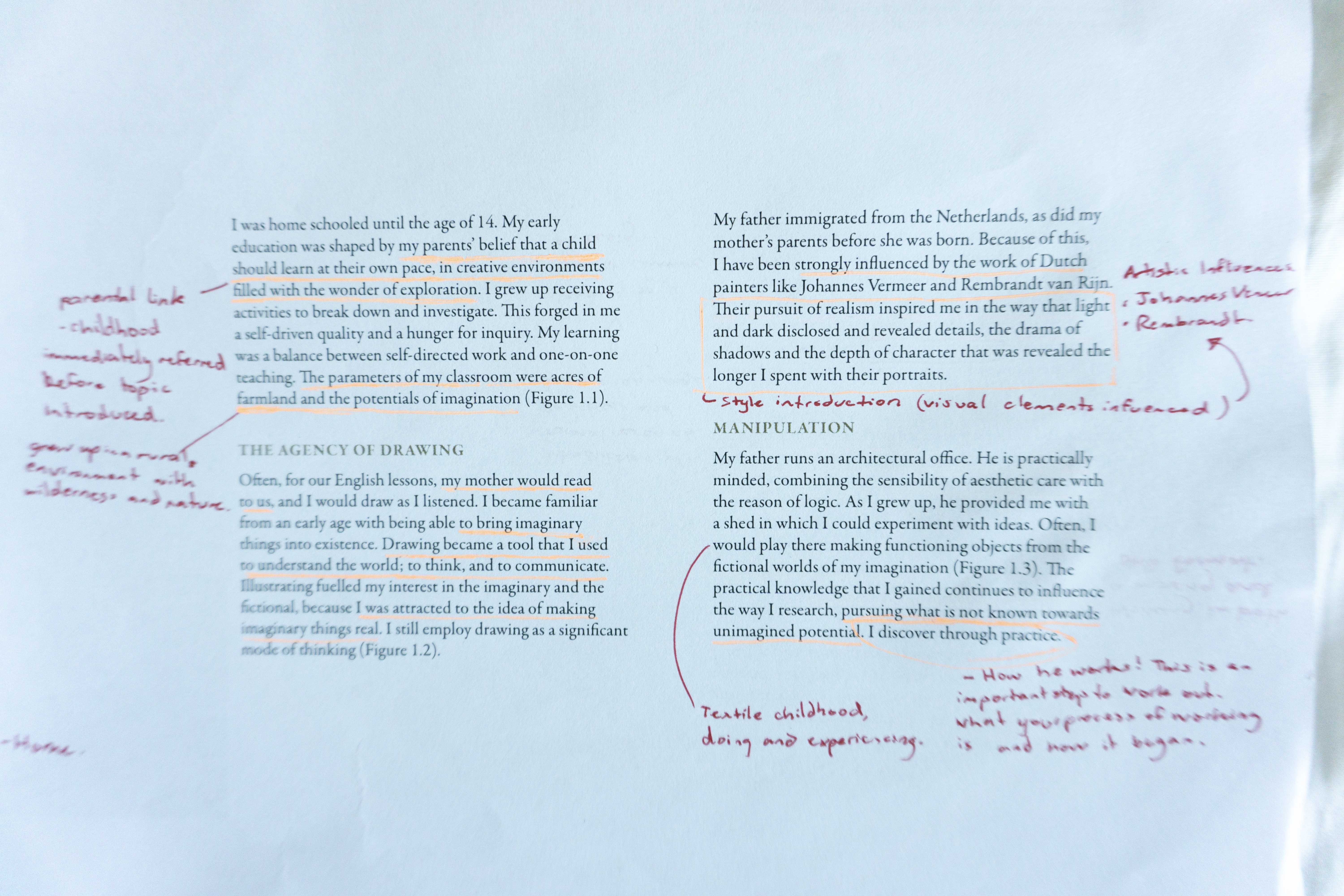
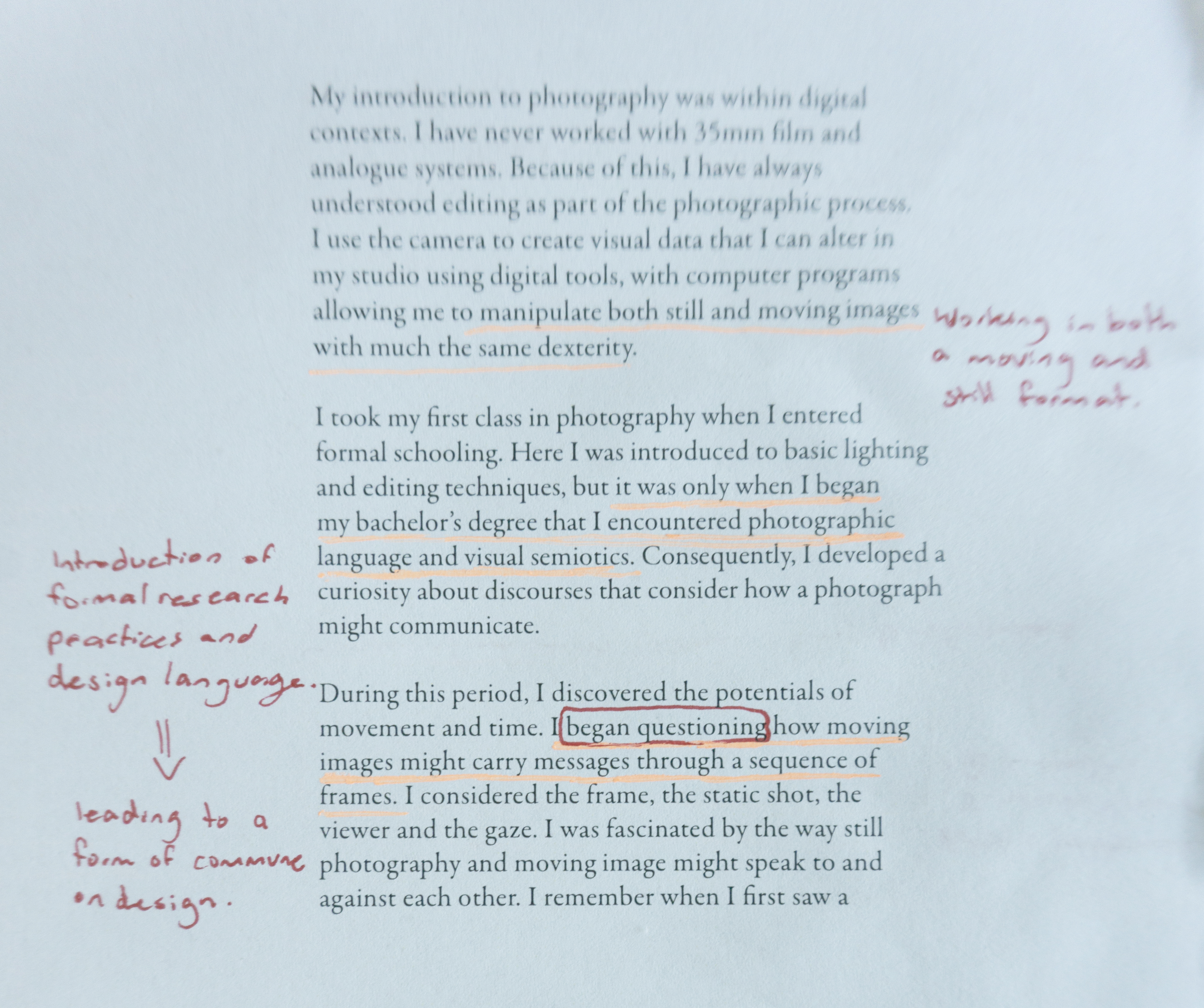
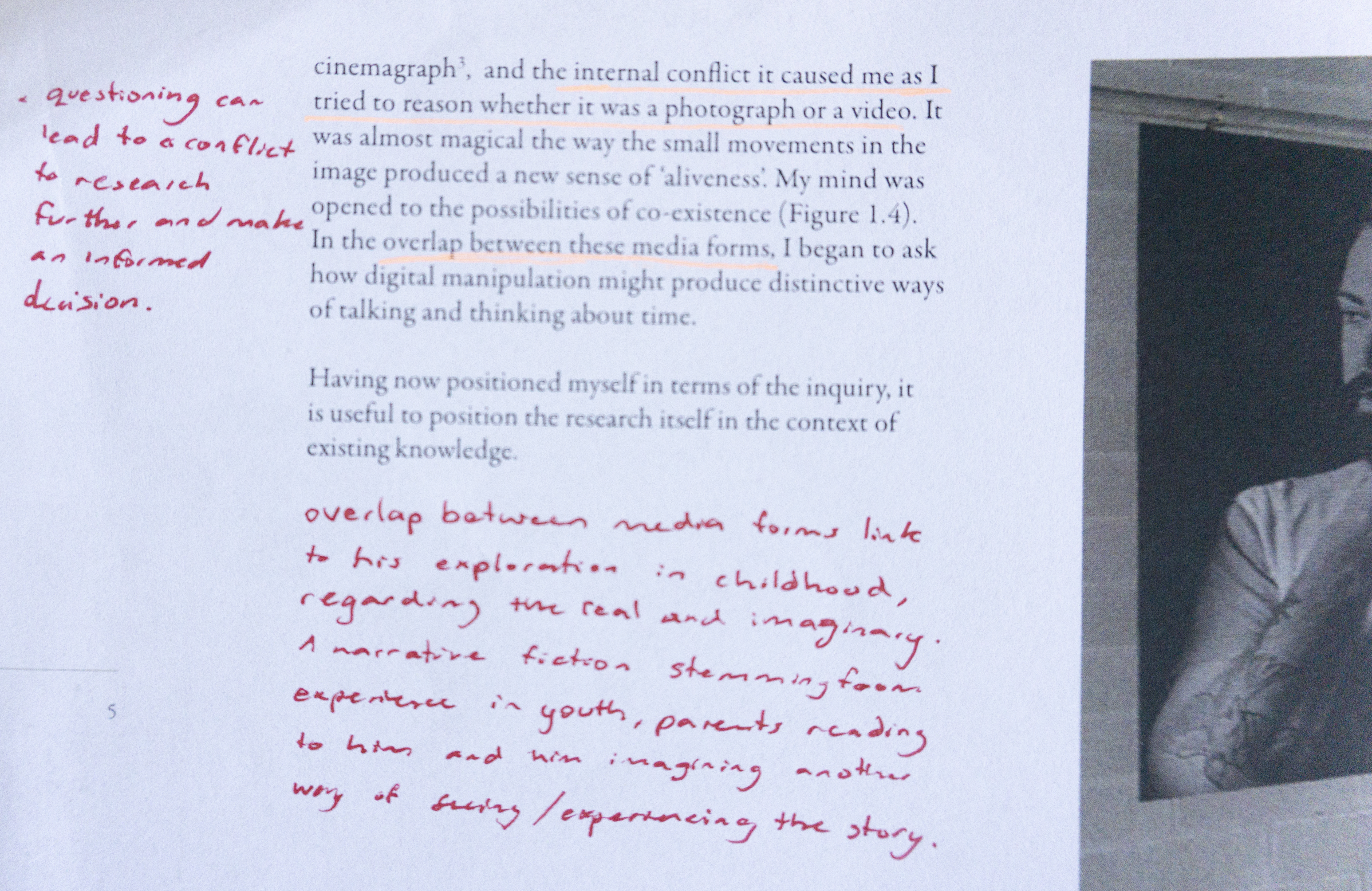
As a child this author was encouraged by his parents to “learn in creative environments filled with the wonders of exploration”. I have written notes explaining my thoughts on the links between his personal position and the research he thus committed to.
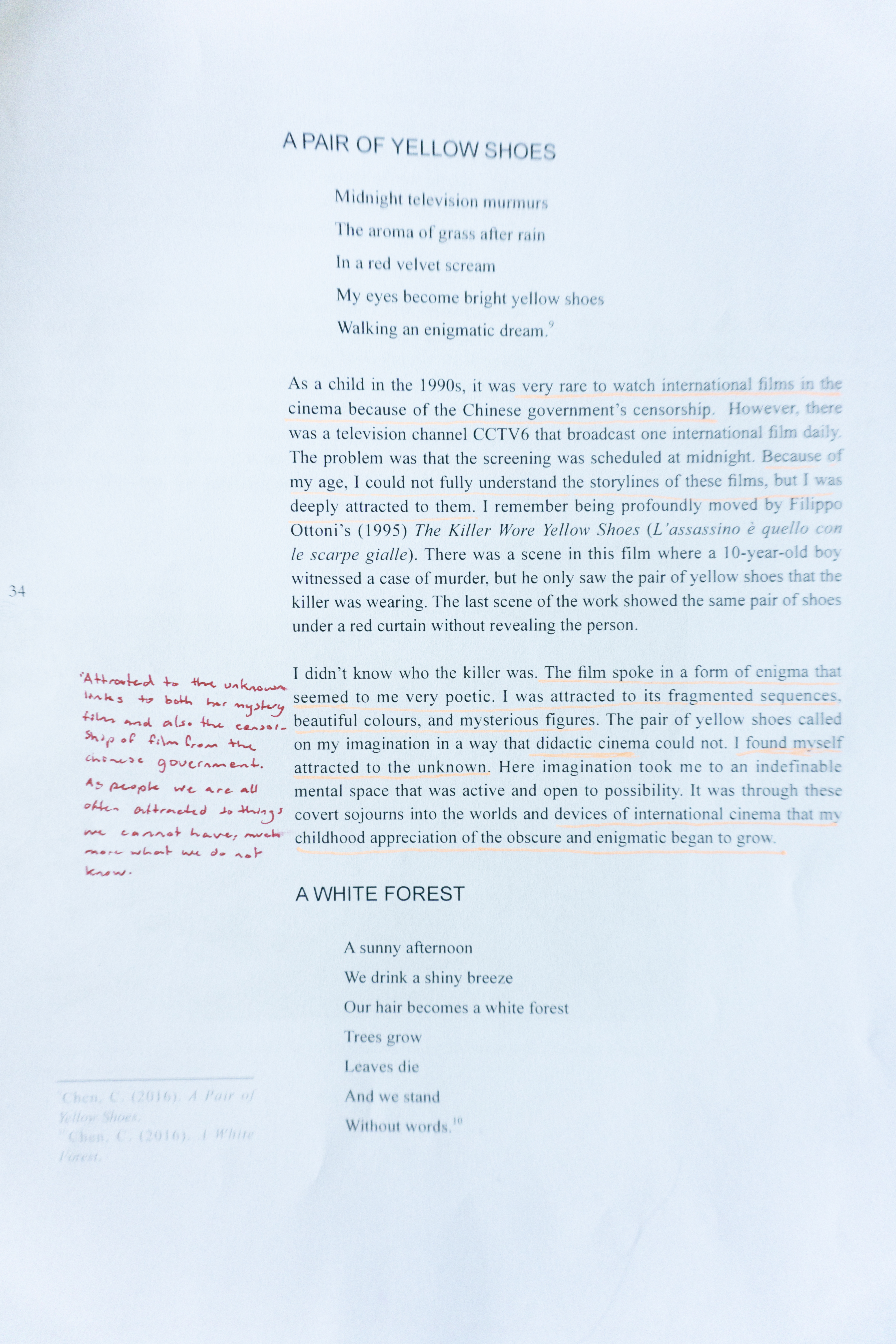
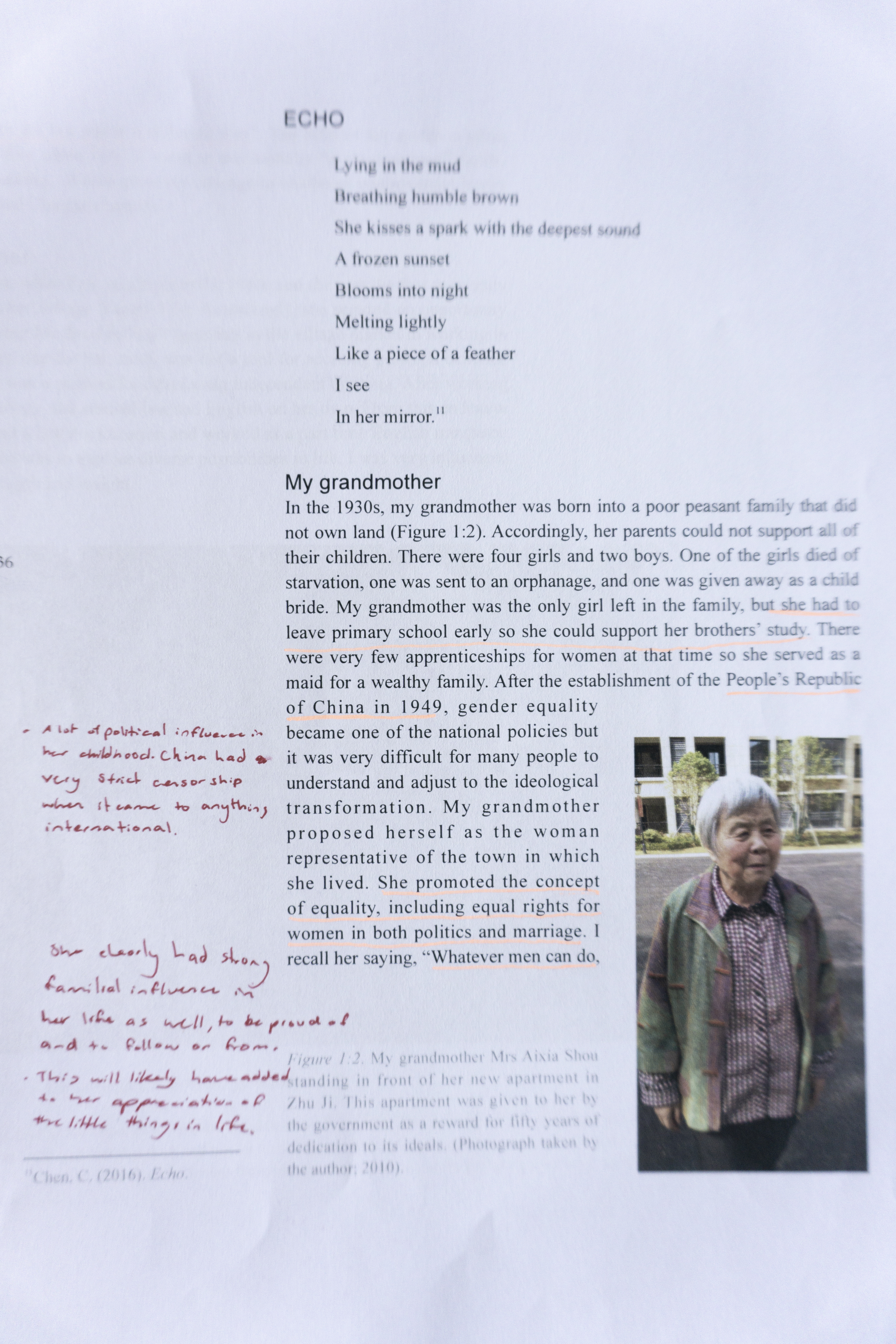
The thesis I studied after this was written by a lady who lived in China when she was in her youth. She clearly had a lot of political influence in her childhood, as China had very strong policies of censorship of international material. This includes both books and film material. She also had strong familial influence in her life as well, to be proud of and follow on from in her adult years. Both of these above influences have added to her appreciation of the little things in life. “I was reminded that even small things may have poetic value”.
TEXT ANALYSIS
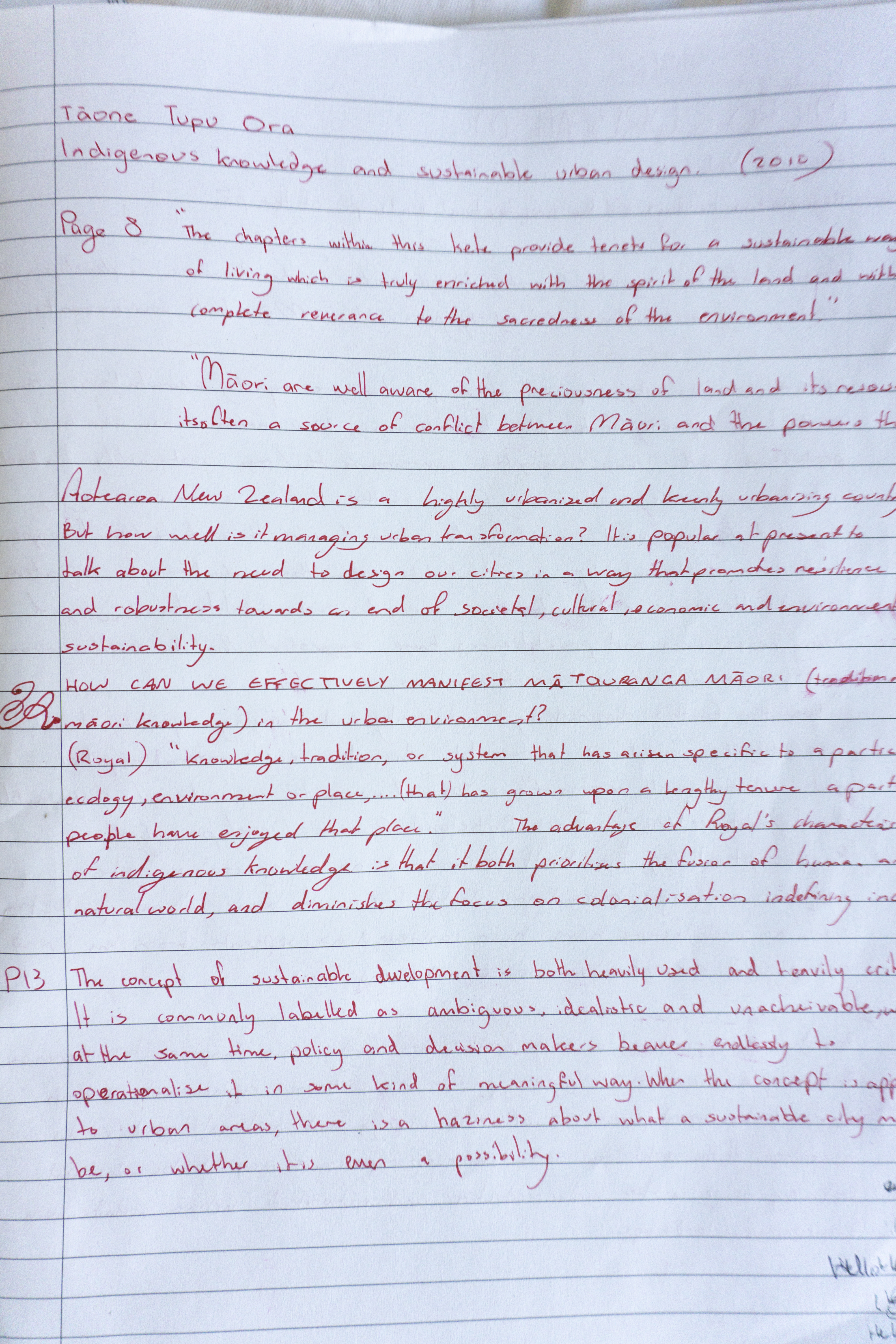
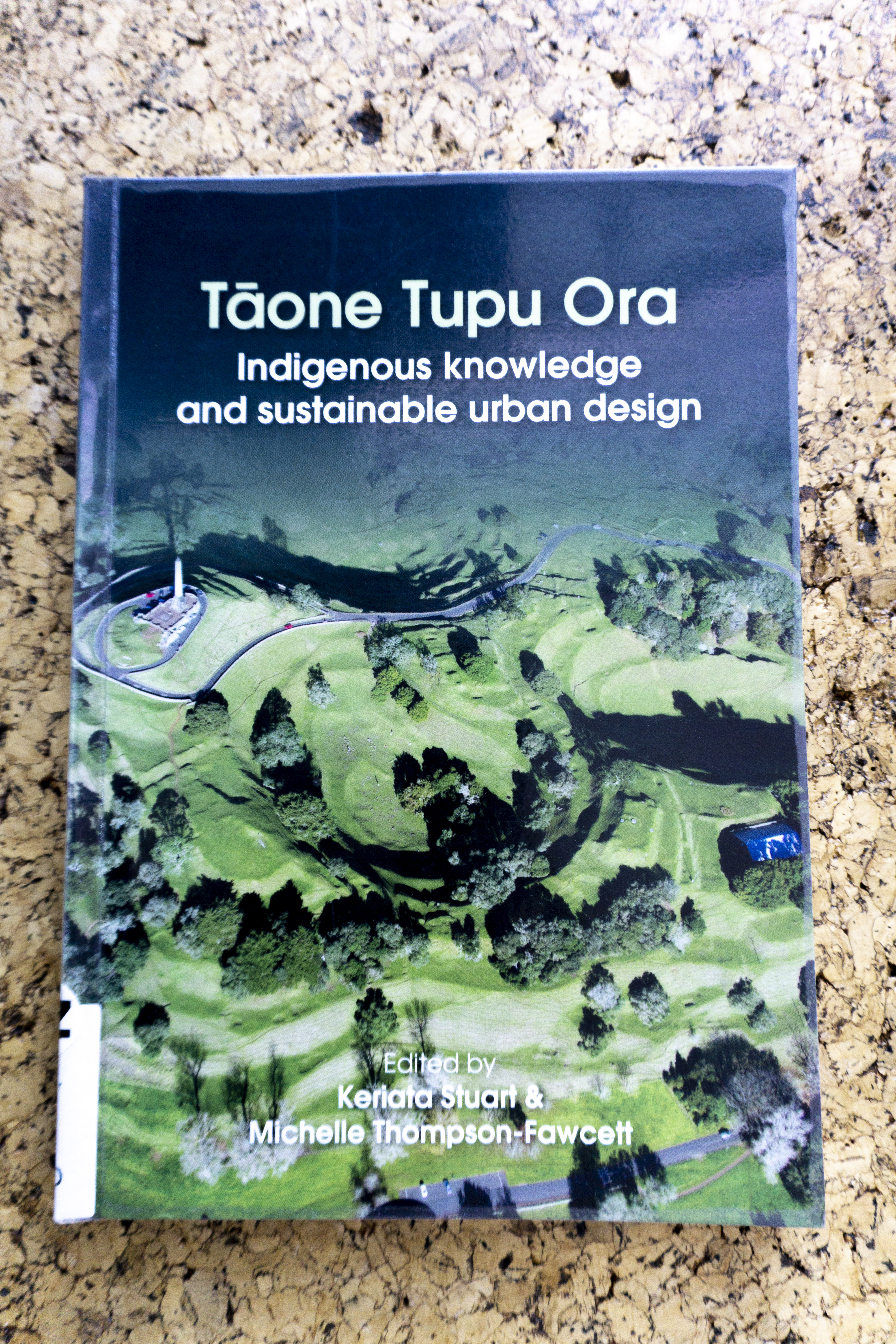
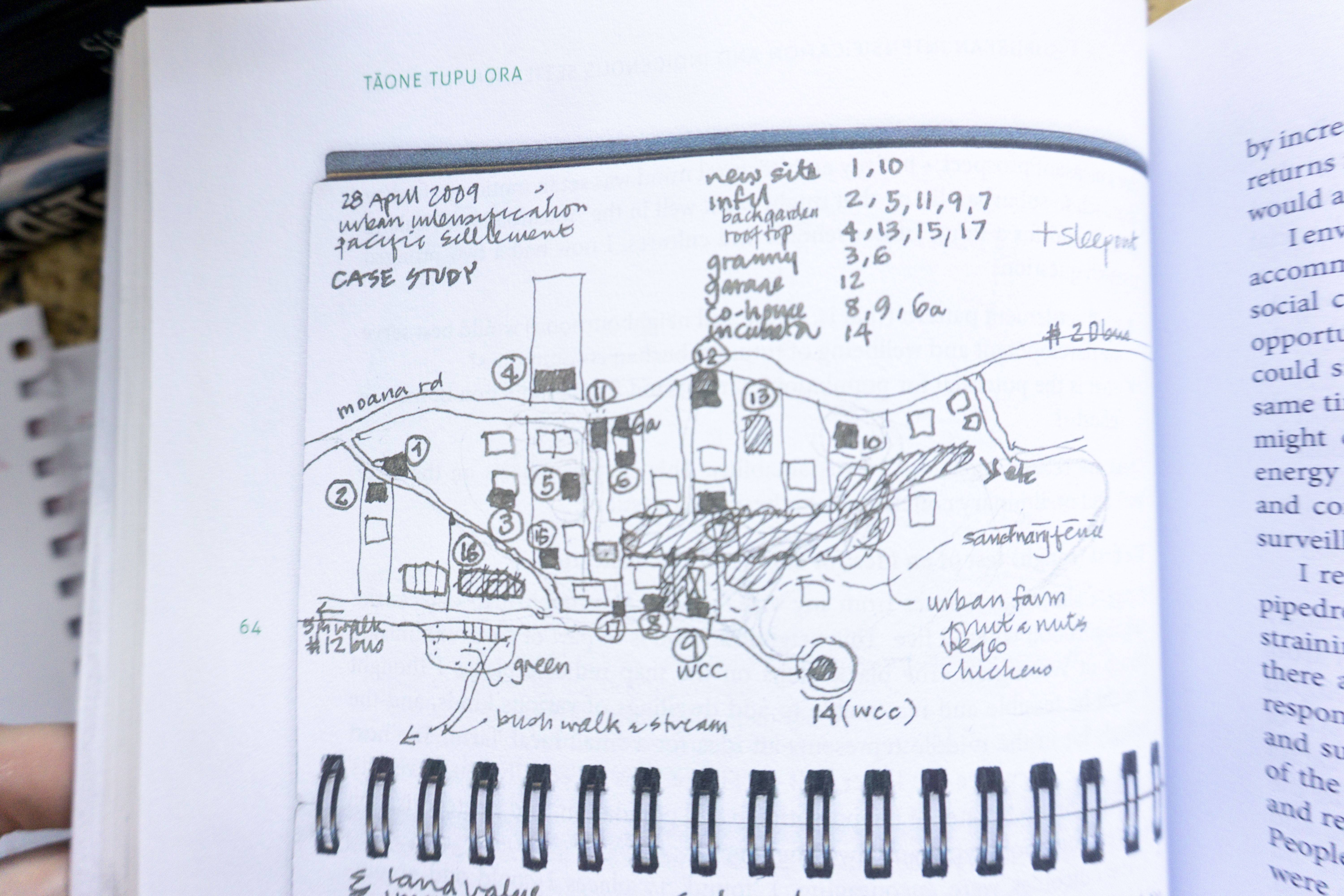
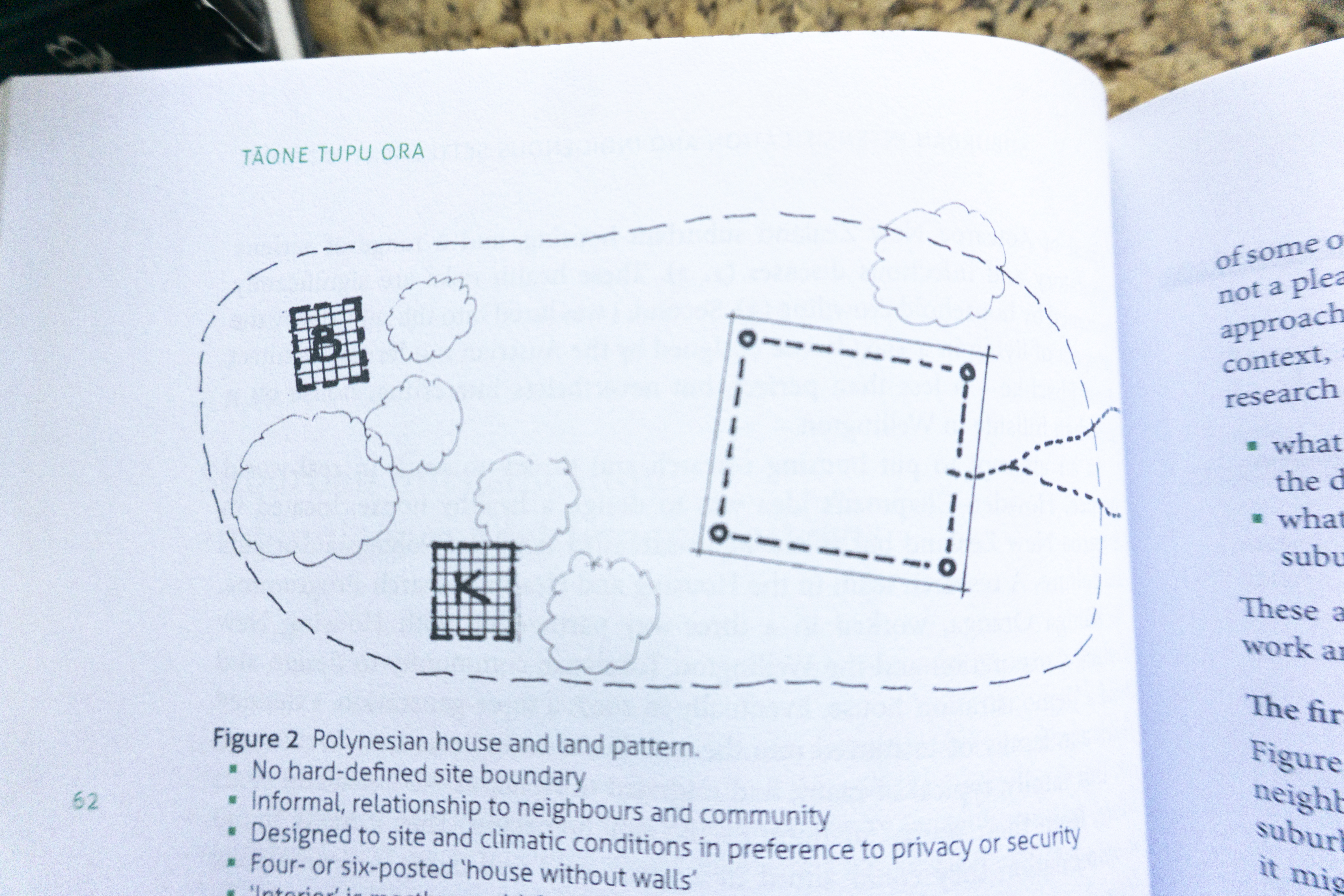
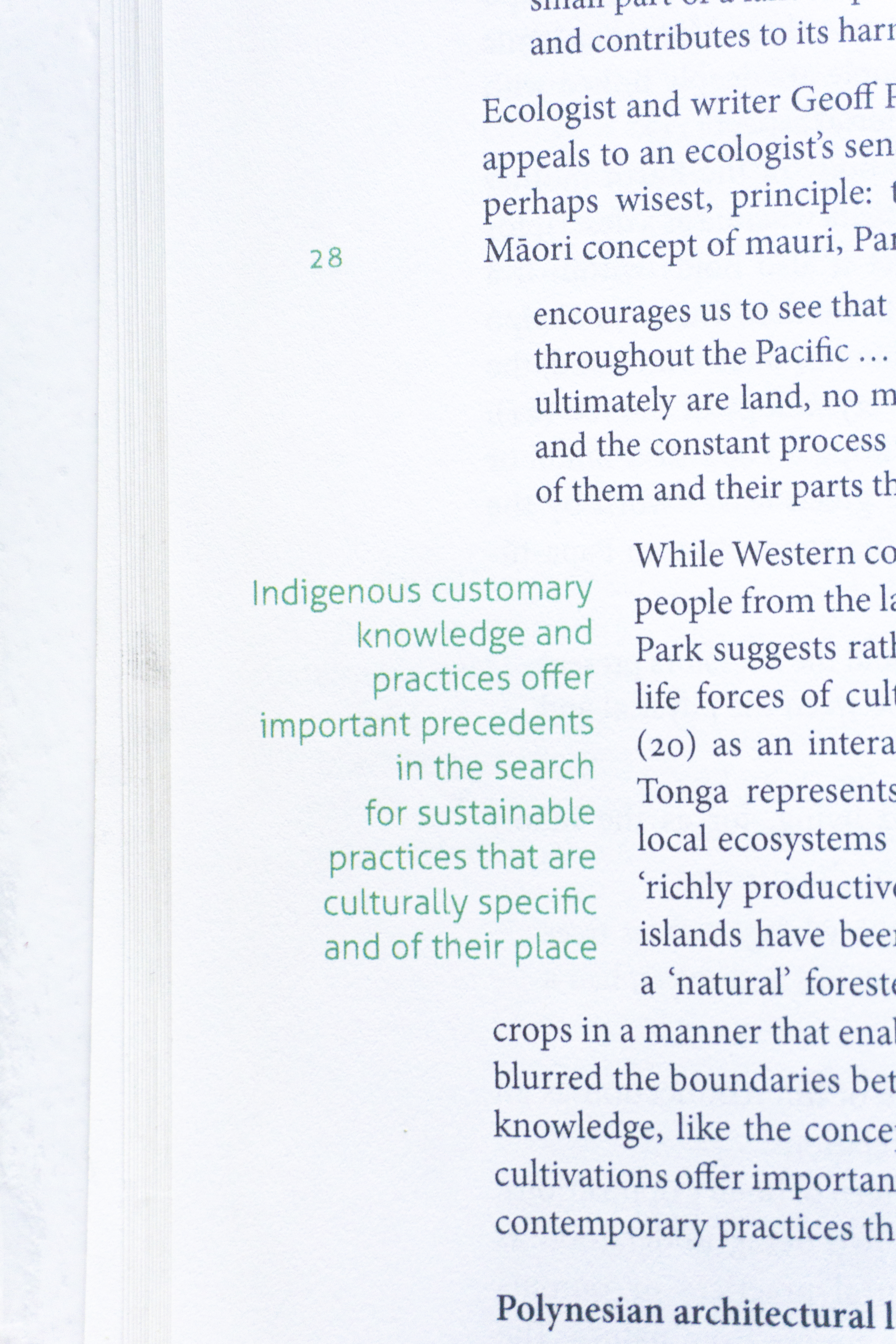
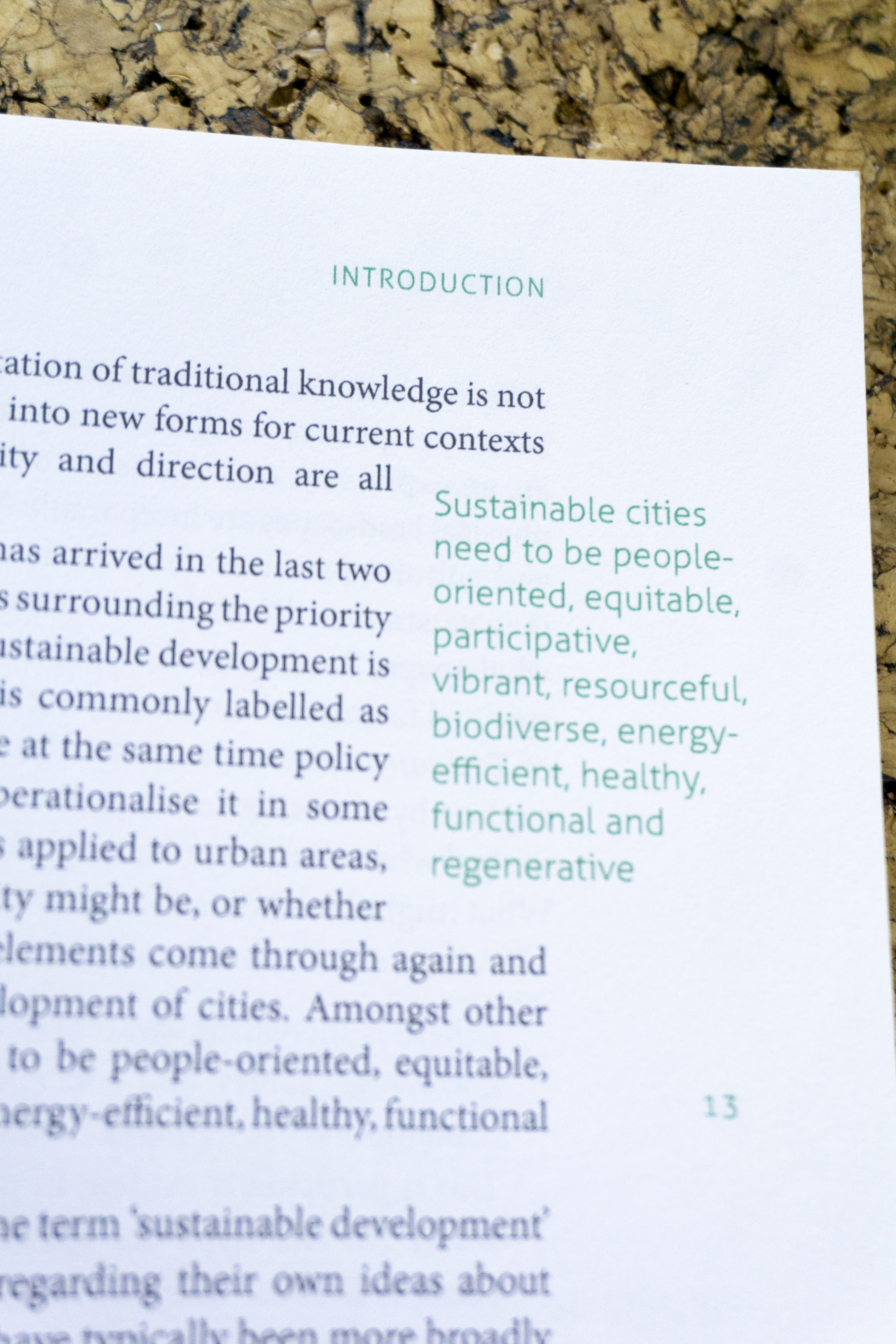
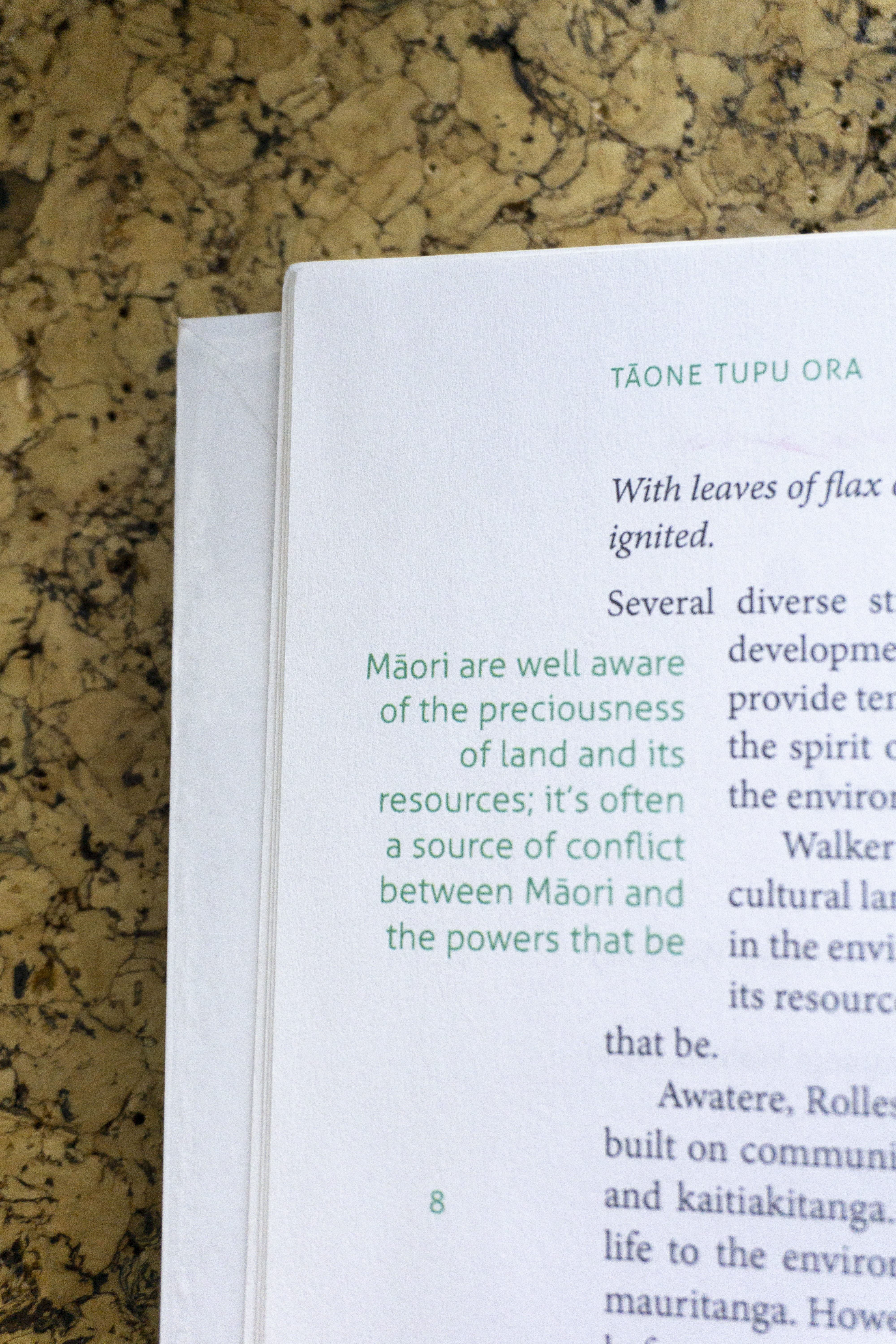
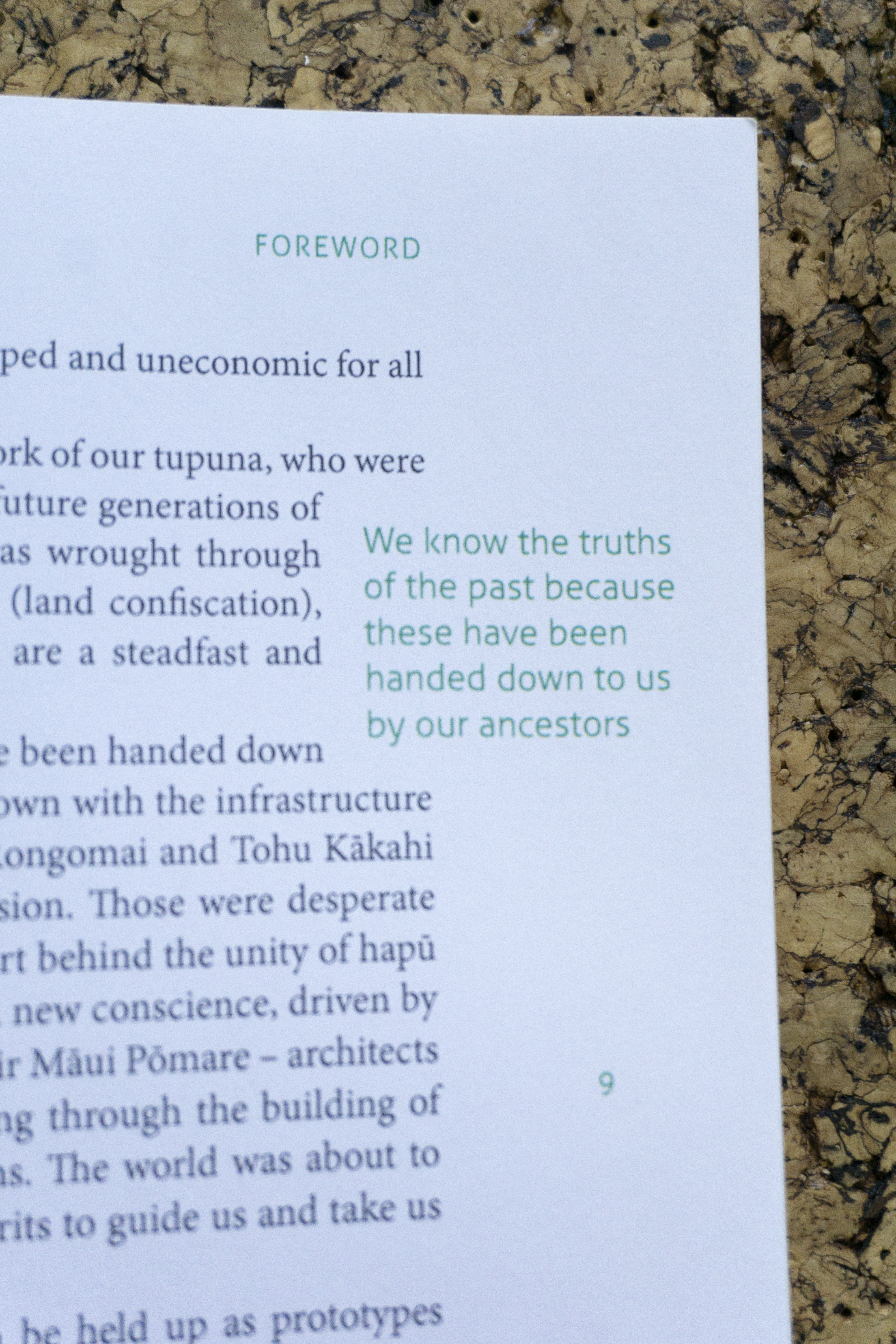
Taone Tupu Ora – Indigenous Knowledge and Sustainable Urban Design 2010
Page 8 ” The Chapters in this hete provide tenets for a sustainable way of living which is truly enriched with the spirit of the land and with complete reverence to the sacredness of the environment” ” Maori are well aware of the preciousness of the land and its resources; it is often a source of conflict between Maori and the powers that be around them.”
SUSTAINABLE URBAN DESIGN
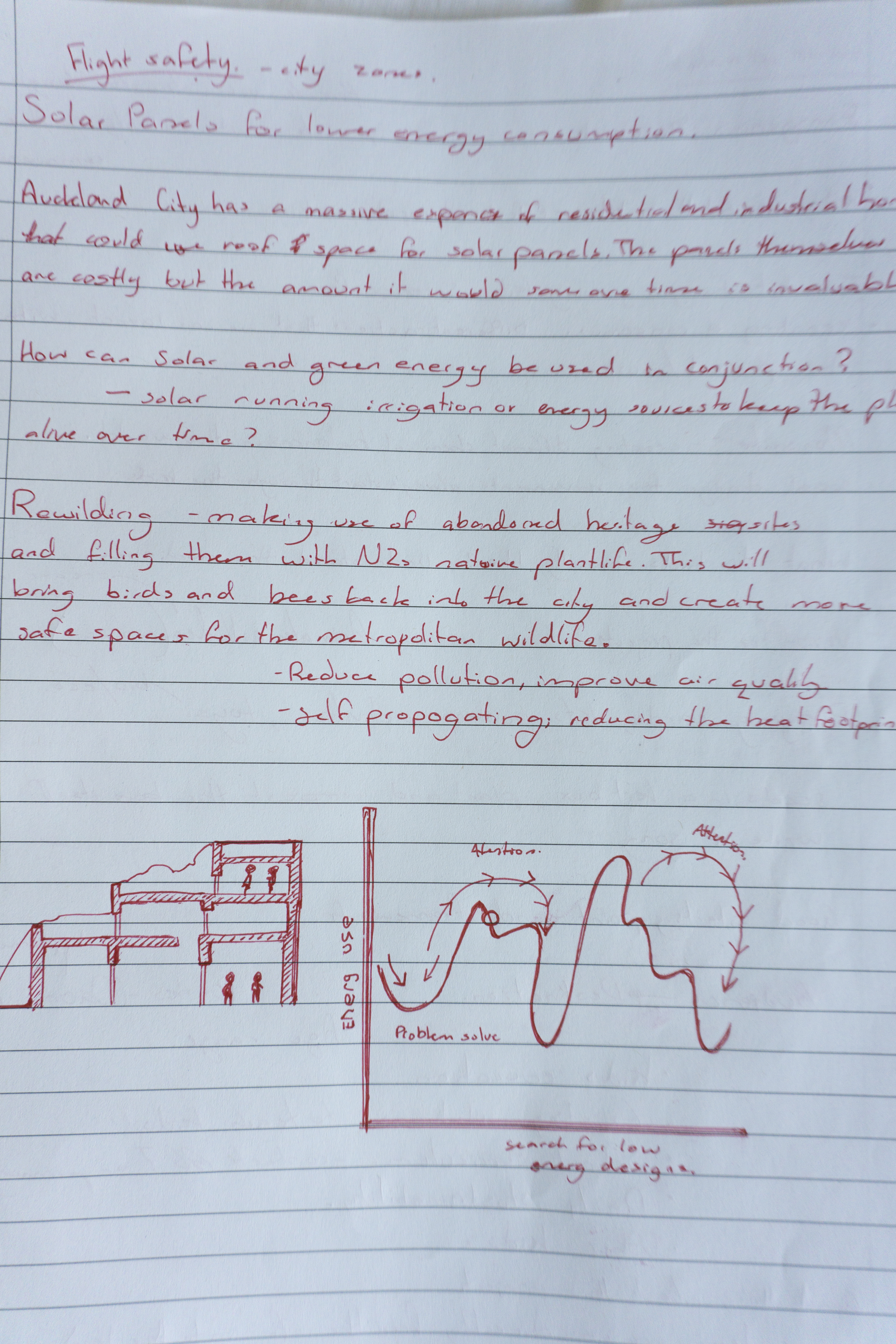
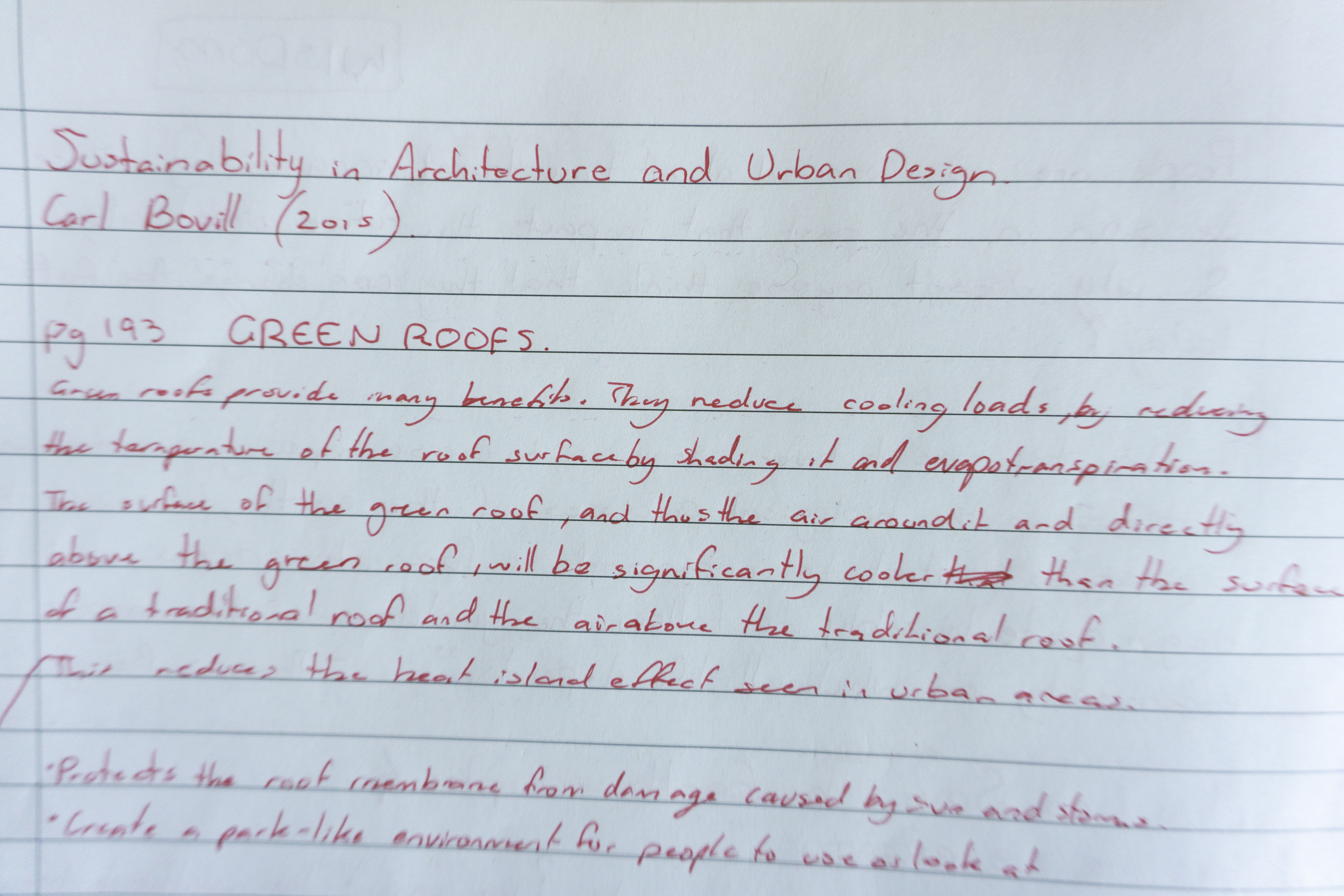
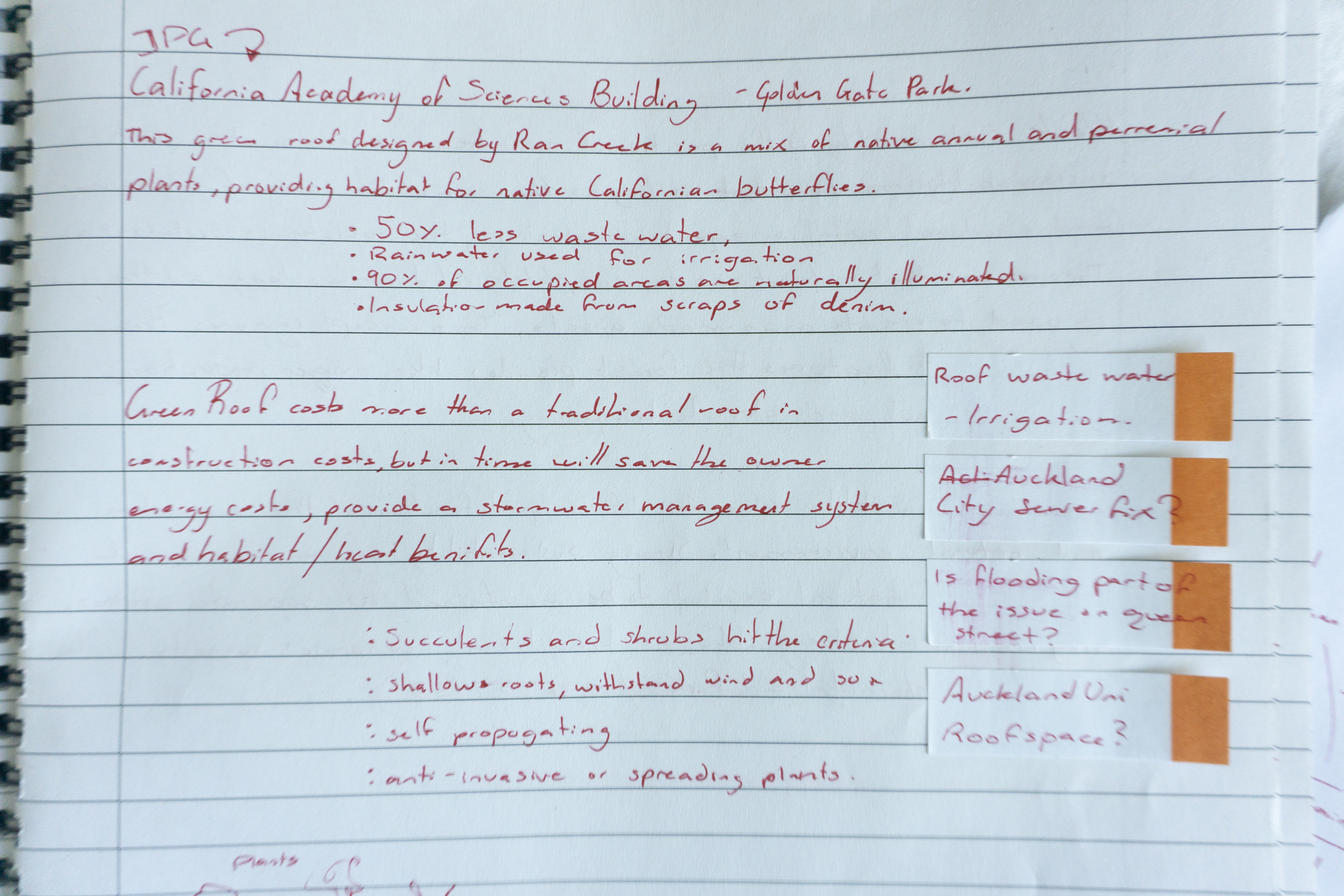
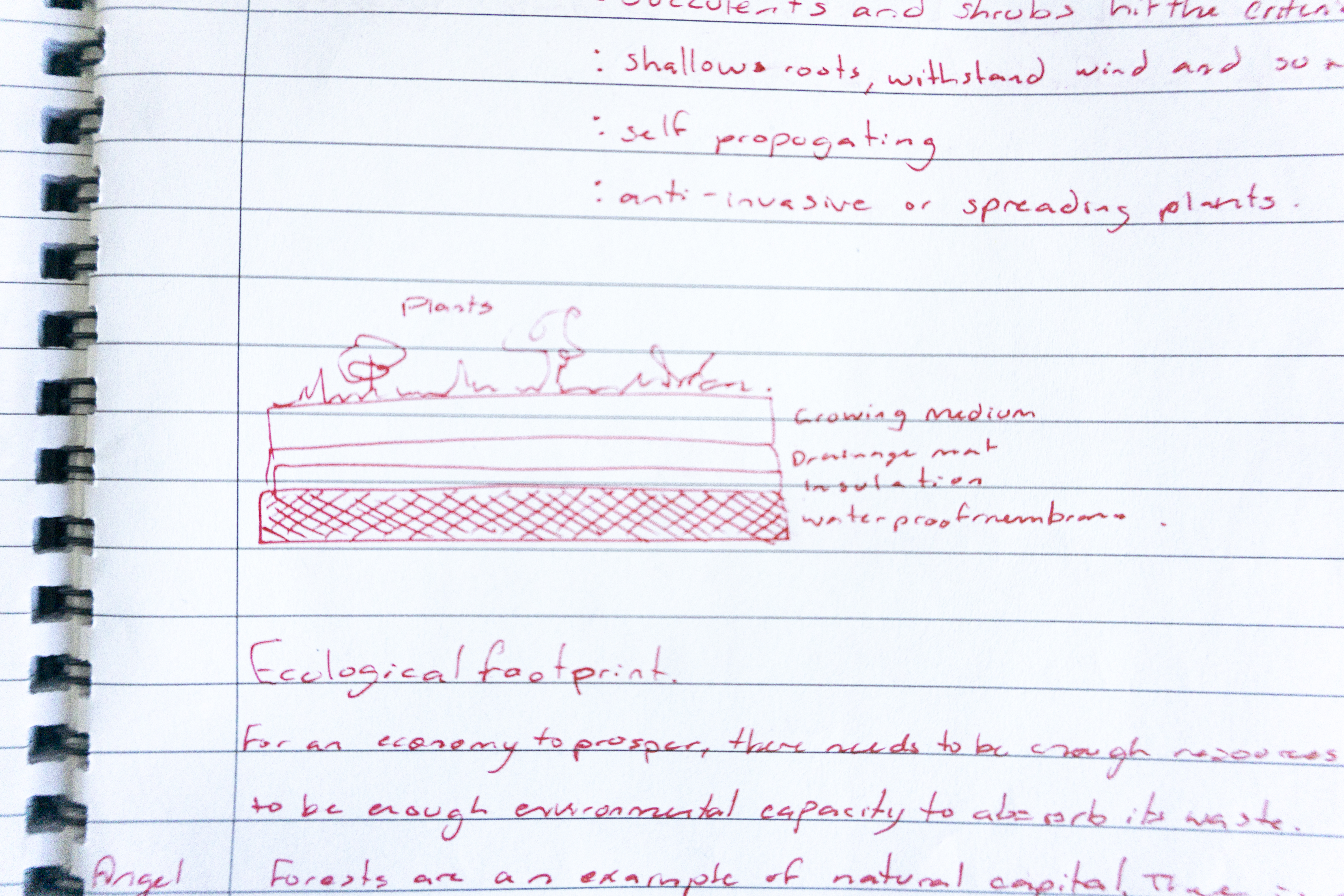
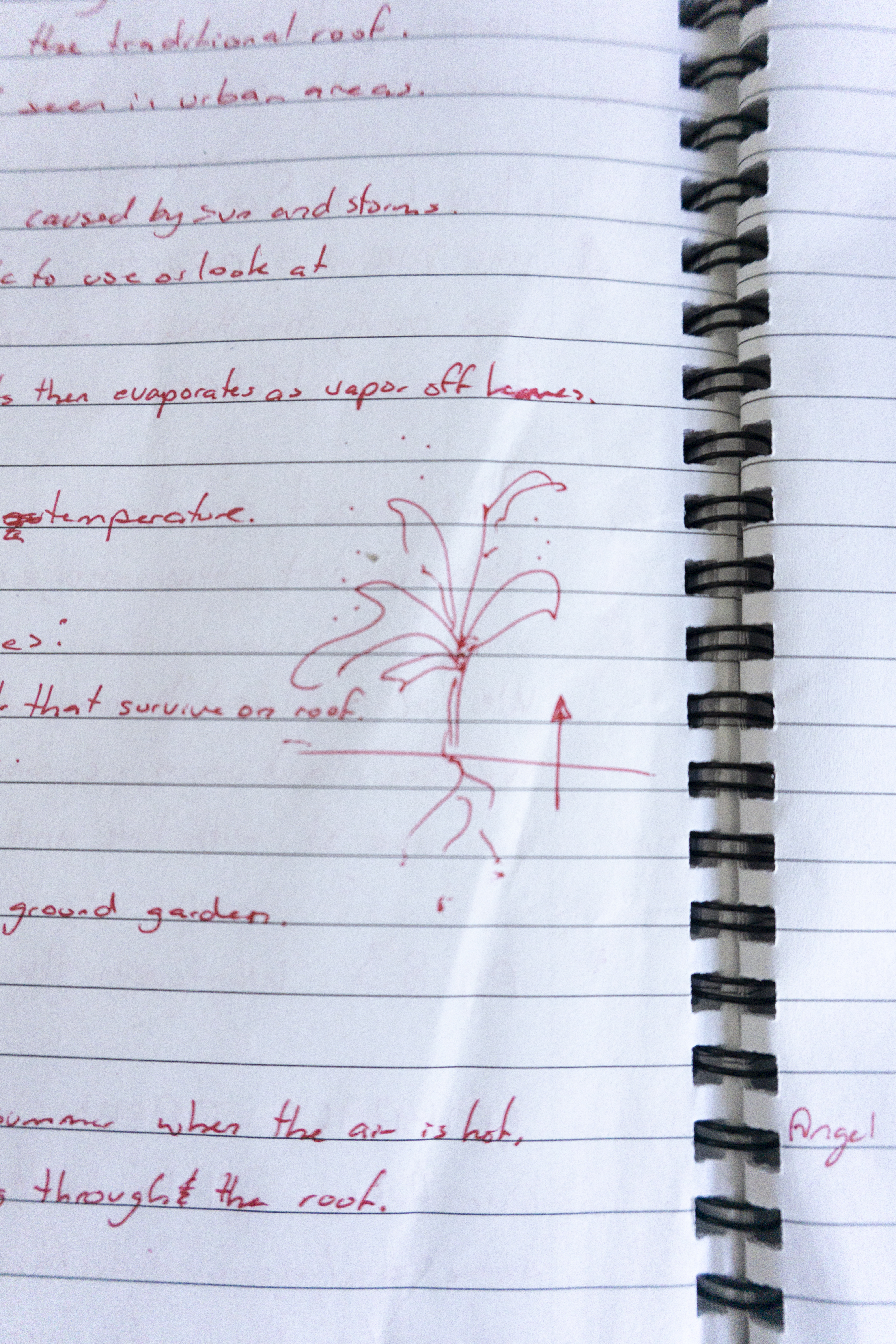
Green Roofs and Solar Energy

 Hazel beth
Leave a comment